From Grainy VHS to Crystal Clear: How Studios Are Bringing Classic Pokémon Moments Back to Life in 4K
Remember sitting cross-legged on the carpet Saturday morning, squinting at a fuzzy TV screen while Ash and Pikachu faced off against the Elite Four? Those memories hit different now that we're living in an era of 4K OLED screens and high-speed streaming. Here at PikashowHD, we've been watching this remastering wave closely, and honestly, what's happening in animation restoration right now is nothing short of remarkable.
But here's the thing — remastering classic Pokémon animation isn't as simple as dragging old footage into a fancy software suite and calling it a day. There's a whole world of technical wizardry and artistic debate happening behind closed doors at studios tasked with making these beloved scenes shine again.
The Original Problem: What Made Classic Pokémon Look the Way It Did
The original Pokémon anime debuted in Japan in 1997 and hit American shores in 1998. Back then, animation was produced on celluloid film — physical transparent sheets hand-painted with ink and paint. Each frame was a literal piece of art, photographed individually under camera lights. The result? Gorgeous in its own way, but inherently limited by the technology of the time.
When those episodes were eventually transferred to video formats for broadcast and home release, the process introduced compression artifacts, color bleeding, and a soft, slightly washed-out look that most of us just accepted as the "Pokémon aesthetic." Fast forward to today's 4K streaming environment, and that footage looks painfully low-resolution on a modern 65-inch screen.
This is where remastering comes in — and why it's genuinely hard to pull off well.
AI Upscaling: The Double-Edged Sword
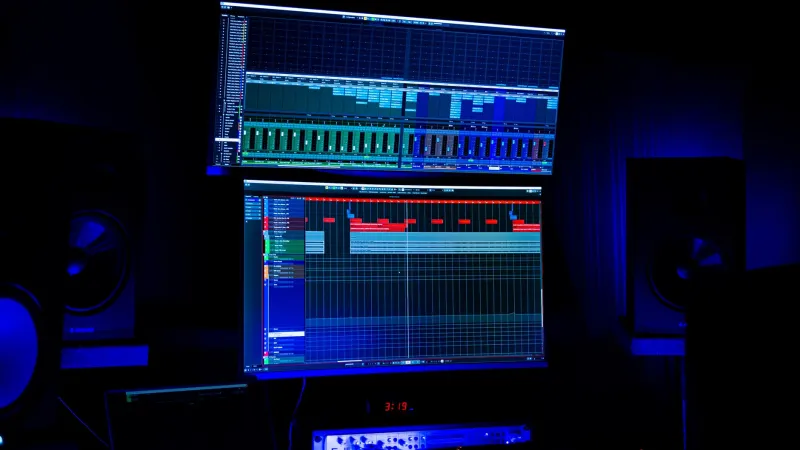
The primary tool studios are reaching for is AI-driven upscaling, and it's genuinely impressive tech. Machine learning models trained on thousands of hours of animation can predict what missing pixel data should look like and fill in the blanks with surprising accuracy. Programs like Topaz Video AI and proprietary studio tools can take a 480p frame and generate a plausible 4K version in seconds.
Sounds perfect, right? Not exactly.
The challenge is that AI upscalers weren't designed with hand-drawn anime aesthetics in mind. They're great at sharpening edges and adding detail, but they can also over-smooth hand-painted textures, accidentally remove intentional line weight variations, and sometimes generate bizarre artifacts around fast-moving objects. Early Pokémon episodes have a lot of those — think Pikachu's lightning attacks or the swirling backgrounds during battle sequences.
Some studios working on restoration projects have had to develop custom AI models specifically tuned for vintage anime frames. It's a painstaking process that involves training the model to recognize the difference between a compression artifact (something to fix) and a deliberate painterly stroke (something to preserve).
Preserving the Soul of the Original
This is where things get philosophically interesting. A remaster that's technically sharper but emotionally different isn't really a faithful restoration — it's a remake in disguise.
Animators and restoration specialists working on projects like this often talk about "artistic intent" — the idea that every visual choice in the original, even the limitations, contributed to the show's character. The slightly muted color palette of early Pokémon episodes, for instance, wasn't a mistake. It was a product of the materials and processes of the time, and it gave the show a warm, nostalgic quality that fans associate deeply with their childhood.
Cranking up the saturation to modern standards might make individual frames look more vibrant in isolation, but it can feel jarringly off to longtime fans who've internalized the original palette. Studios working on the most thoughtful remastering projects are actually pulling in original animation cels and reference materials to calibrate color grading rather than just boosting everything digitally.
Fan Reactions: A Mixed Bag, But Mostly Positive
Over on Reddit, Twitter, and dedicated Pokémon fan forums, the community's response to remastered footage has been genuinely enthusiastic — with some important caveats. Clips showing scenes like the iconic Pikachu vs. Raichu battle or Ash's tearful goodbye to Butterfree rendered in clean, sharp HD have racked up millions of views and sparked waves of nostalgia.
But fans are also quick to call out when something looks "off." Over-sharpened line art, weirdly smooth backgrounds that used to have visible brushstroke texture, and color corrections that drift too far from the original have all gotten pushback from eagle-eyed viewers. The Pokémon fanbase is passionate and detail-oriented — they grew up with these episodes and they know what things are supposed to look like.
What fans seem to respond to best is restoration work that feels invisible — where the HD version just looks like a cleaner, clearer version of what they remember, not a reimagined product.
What This Means for HD Streaming Platforms
For platforms like PikashowHD that are committed to delivering the best possible viewing experience, this remastering wave is a genuine game-changer. Imagine being able to stream the original Indigo League arc in crisp 4K with properly restored colors and clean audio — all while preserving everything that made those episodes magical in the first place.
The technical bar is high, and the best restoration work requires real investment in both technology and the human expertise to supervise it. But the payoff is enormous. There's a whole generation of American fans in their late 20s and 30s who grew up on this show and now have premium home theater setups just waiting to do it justice.
The evolution of Pokémon animation from hand-painted cels to AI-assisted 4K restoration is, in its own way, as impressive as any in-universe evolution. And just like a well-timed Rare Candy, the right remastering approach can make something beloved feel brand new again.