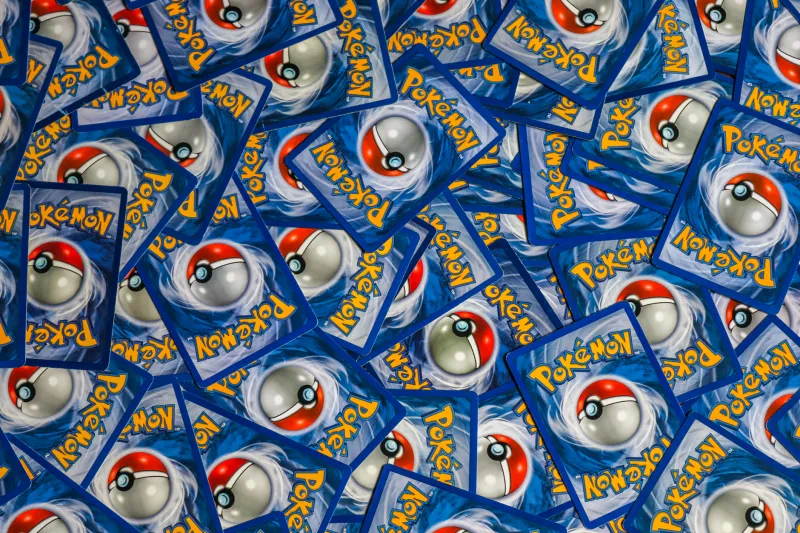
Forget the Big Story Arcs — These Pokémon Filler Episodes Are the Real Classics
Ask any longtime Pokémon fan to name their favorite episode, and there's a solid chance they won't bring up a gym battle or an Elite Four showdown. More likely, they'll mention something completely random — an episode where Ash gets turned into a Pikachu, or one where Team Rocket accidentally becomes competent for about twelve minutes. That's the magic of filler, and the Pokémon anime has produced some of the most unhinged, rewatchable standalone content in animation history.
Filler episodes — those non-canon, story-arc-independent installments that exist mostly to pad out a season — have a bad reputation in anime circles. But Pokémon has always played by its own rules, and a surprising number of these "throwaway" episodes have aged better than the main plot beats surrounding them. Here at PikashowHD, we've gone deep on the data, the fan forums, and the rewatch counts to figure out which filler episodes genuinely earned their legendary status.
The Episode That Started a Thousand Memes: "Tentacool & Tentacruel"
Before we even get to the heavy hitters, let's acknowledge that the Pokémon anime was producing unintentionally iconic content almost from the jump. "Tentacool & Tentacruel" (Season 1, Episode 19) features a giant Tentacruel literally stomping through a city like a kaiju while Misty has a full emotional breakdown over her fear of bug-type Pokémon getting extended to water types. It's chaotic, weirdly emotional, and absolutely nobody was asking for it.
Yet fans keep coming back to it. Why? Because it's genuinely strange in a way that feels accidental rather than manufactured. The episode takes a hard left into disaster movie territory without warning, and that tonal whiplash is exactly what makes it memorable. It also gave the internet a goldmine of reaction images that are still circulating in Discord servers today.
"The Legend of Dratini" — The Episode That Got Banned and Became a Myth
One of the most talked-about filler episodes in North American fan communities is one most US viewers have never actually seen. "The Legend of Dratini" was pulled from the American broadcast schedule due to its depiction of firearms, leaving a significant chunk of Ash's Safari Zone Pokémon catches completely unexplained to stateside audiences. Ash just... had 30 Tauros suddenly. No context. No explanation.
The episode became legendary because it was forbidden fruit. Fan translations, bootleg VHS tapes, and eventually early internet video uploads turned it into a rite of passage for dedicated fans. Watching it felt like uncovering a secret the show didn't want you to find. That mystique is almost impossible to manufacture, and it transformed a fairly standard filler episode into one of the most discussed installments in the entire series.
When Team Rocket Actually Won: "Go West Young Meowth"
If there's one filler episode that transcends the label entirely, it's the Meowth origin story. "Go West Young Meowth" (Season 1, Episode 70) is a legitimately well-crafted piece of storytelling that reframes Team Rocket's most comedic member as a genuinely tragic figure. Meowth learned to walk upright and speak human language — not because of some scientific experiment, but because he fell in love and wanted to impress a girl.
She rejected him anyway. Called him a freak.
For a kids' show, that's a gut punch. The episode is sentimental without being saccharine, and it gives Meowth more depth than most main characters in the series. Fan rankings consistently place it in the top ten of all Pokémon episodes, not just filler. It's proof that the creative team, when given room to breathe outside the main plot, could produce something genuinely moving.
The Charizard Problem: "Charizard Chills" and Why Stubbornness Is Relatable
Charizard spent a significant chunk of the original series refusing to listen to Ash, and fans loved every second of it. "Charizard Chills" is the payoff episode — the one where Ash stays up all night warming a hypothermic Charizard, and the stubborn fire lizard finally decides his trainer might be worth respecting.
It's corny. It absolutely is. But it works because the buildup was real. Viewers had watched Ash get ignored and embarrassed by this Pokémon for dozens of episodes, and the emotional release of that loyalty finally clicking into place hit harder than almost any gym victory in the series. The episode became a template for how the show handled Pokémon character development going forward, and its influence on later arcs is pretty undeniable.
The Absurdist Peak: "The Kangaskhan Kid" and Other Fever Dreams
Not every beloved filler episode earns its status through emotional resonance. Some of them just go so completely off the rails that you can't look away. "The Kangaskhan Kid" features a feral child raised by Kangaskhan in a nature preserve, and it somehow also involves a helicopter crash, Team Rocket getting adopted by the same Kangaskhan herd, and a father who initially tries to capture his own son in a Poké Ball.
It is unhinged. And fans adore it for exactly that reason. There's a specific flavor of nostalgia tied to episodes like this — the kind where you remember watching them as a kid and thinking something was slightly off, then rewatching as an adult and realizing the show was just built different back then.
Why Filler Works Better Than It Should
Here's the honest truth about why these episodes resonate: the main story arcs in Pokémon were always somewhat predictable. Ash goes to a new region, collects badges, loses at the Pokémon League, starts over. That formula is comforting, but it doesn't leave much room for surprise.
Filler episodes, by definition, have no stakes. And paradoxically, that freedom produces some of the most creative, weird, and emotionally honest content in the entire franchise. Writers could try things that wouldn't work in a serialized context. Characters could fail in ways that weren't about plot momentum. A Meowth could be heartbroken. A Charizard could be cold. A kid could be raised by kangaroo dinosaurs.
The lack of consequence created space for genuine character moments, and audiences picked up on that — even if they couldn't articulate exactly why a random filler episode stuck with them for twenty years.
The Rewatchability Factor
Fan communities on Reddit, Discord, and dedicated Pokémon forums have done informal polling on this for years, and the pattern is consistent: standalone filler episodes dominate "most rewatched" lists. They're self-contained, which means you can drop in without context. They're often funnier or stranger than the main arcs. And they carry that particular brand of nostalgia that hits differently when you revisit something from childhood that you'd half-forgotten.
Streaming platforms have actually made this phenomenon more visible. When you can skip around freely rather than watching in broadcast order, people naturally gravitate toward the episodes that feel like events — and a lot of those events are filler.
So the next time someone tells you filler is just padding, point them toward Meowth crying in the rain over a Pokémon who didn't love him back. Then watch them try to argue the main plot was more important than that.
Some of the best Pokémon content was never supposed to matter. That's exactly why it does.